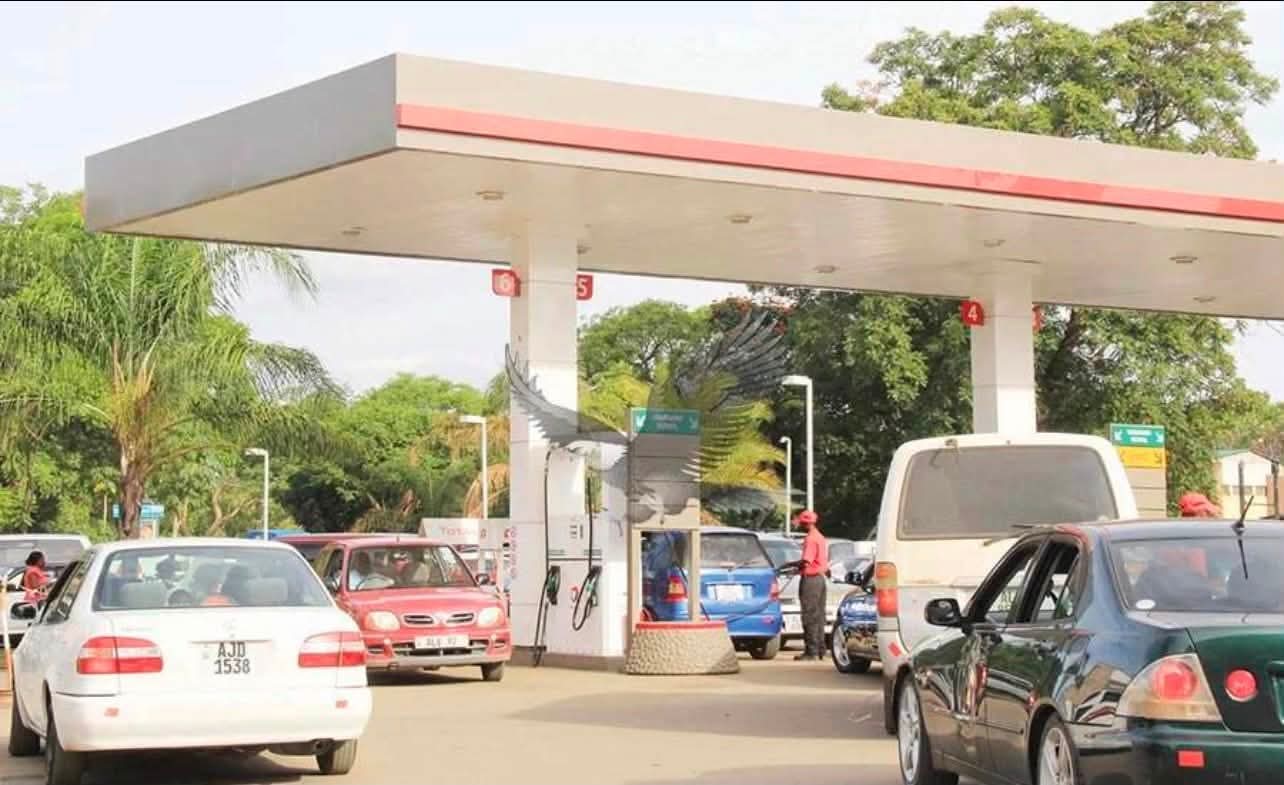
The Independent Petroleum Marketers Association of Nigeria (IPMAN) has called on the Federal Government to restore the right of independent marketers to import petroleum products, arguing that such a move could significantly reduce the retail price of Premium Motor Spirit (PMS) across the country.
Speaking during a stakeholders' meeting on cost-reflective petrol pricing held on Monday at the headquarters of the Nigerian Midstream and Downstream Petroleum Regulatory Authority (NMDPRA) in Abuja, IPMAN National President Abubakar Maigandi said petrol could sell for less than ₦800 per litre if marketers are given direct access to import products under favourable market conditions.
The meeting was organised by the Federal Government following growing concerns that the decline in international crude oil prices has not been reflected in the prices Nigerians pay for petrol at filling stations.
Maigandi urged the government to grant IPMAN members direct access to purchase petroleum products from the Dangote Petroleum Refinery, while also allowing them to import fuel whenever necessary.
According to him, this would create healthy competition, improve product availability and ultimately lower pump prices for consumers.
He stressed that IPMAN fully supports the growth of local refining and called on the government to continue creating an enabling environment for domestic refineries, including the Dangote refinery and other investors in the downstream sector.
According to the IPMAN president, independent marketers have already reduced petrol prices by approximately ₦125 per litre across different parts of the country and are prepared to implement further reductions if their product acquisition costs continue to decline.
He explained that price adjustments in the downstream sector are influenced by the cost of purchasing products from private depot owners and local refineries. He added that the recent decision by the Dangote refinery to begin selling directly to independent marketers would improve market efficiency and eventually benefit consumers through lower prices.
Also speaking after the meeting, the Minister of State for Petroleum Resources, Heineken Lokpobiri, expressed concern that the reduction in global crude oil prices has not translated into corresponding reductions in domestic petrol prices.
Lokpobiri disclosed that the government held frank discussions with marketers and other downstream operators to understand the reasons behind the pricing gap and identify practical measures that could reduce the cost of PMS.
He noted that while international crude prices have declined considerably in recent months, marketers argued that their product acquisition costs remain relatively high because of earlier purchases made when crude oil prices were significantly higher.
The minister said the government had communicated the concerns of Nigerian consumers to industry operators and requested that they return with workable solutions that would ensure pump prices better reflect prevailing market realities.
Although he acknowledged that discussions were still ongoing, Lokpobiri declined to give a specific timeline for when Nigerians should expect further reductions in petrol prices, stating only that negotiations were progressing positively.
Earlier, the Chief Executive Officer of the NMDPRA, Rabiu Umar, said deregulation should promote efficiency and fair competition rather than create opportunities for market manipulation or unfair pricing.
He recalled that a similar engagement held recently on the domestic gas market had already contributed to noticeable reductions in the price of Liquefied Petroleum Gas (LPG), expressing optimism that the current discussions on petrol pricing would produce similar outcomes.
Umar observed that while global crude oil prices have moderated in recent weeks, retail petrol prices have remained largely unchanged. He described the situation as a disconnect that regulators and industry stakeholders must jointly address.
According to him, the objective of deregulation is to create a transparent and competitive market where both marketers and consumers benefit.
He emphasised that sustainable profitability for businesses should go hand in hand with consumer protection and urged operators to ensure that savings resulting from lower market costs are passed on to Nigerians promptly.
The meeting brought together key players in Nigeria's downstream petroleum industry, including representatives of the Federal Competition and Consumer Protection Commission (FCCPC), the Major Energy Marketers Association of Nigeria (MEMAN), the Depot and Petroleum Products Retailers Association of Nigeria (DAPPMAN), the Nigerian Association of Road Transport Owners (NARTO), officials of the NMDPRA, executives of TotalEnergies, Eterna Plc, Matrix Energy Group, and delegates from the Dangote Petroleum Refinery.
Stakeholders expressed optimism that continued engagement between regulators and operators would result in a more transparent pricing system and ultimately deliver lower petrol prices for Nigerian consumers.


💬 Comments 0
Leave a Comment
No comments yet.
Be the first person to comment on this article.