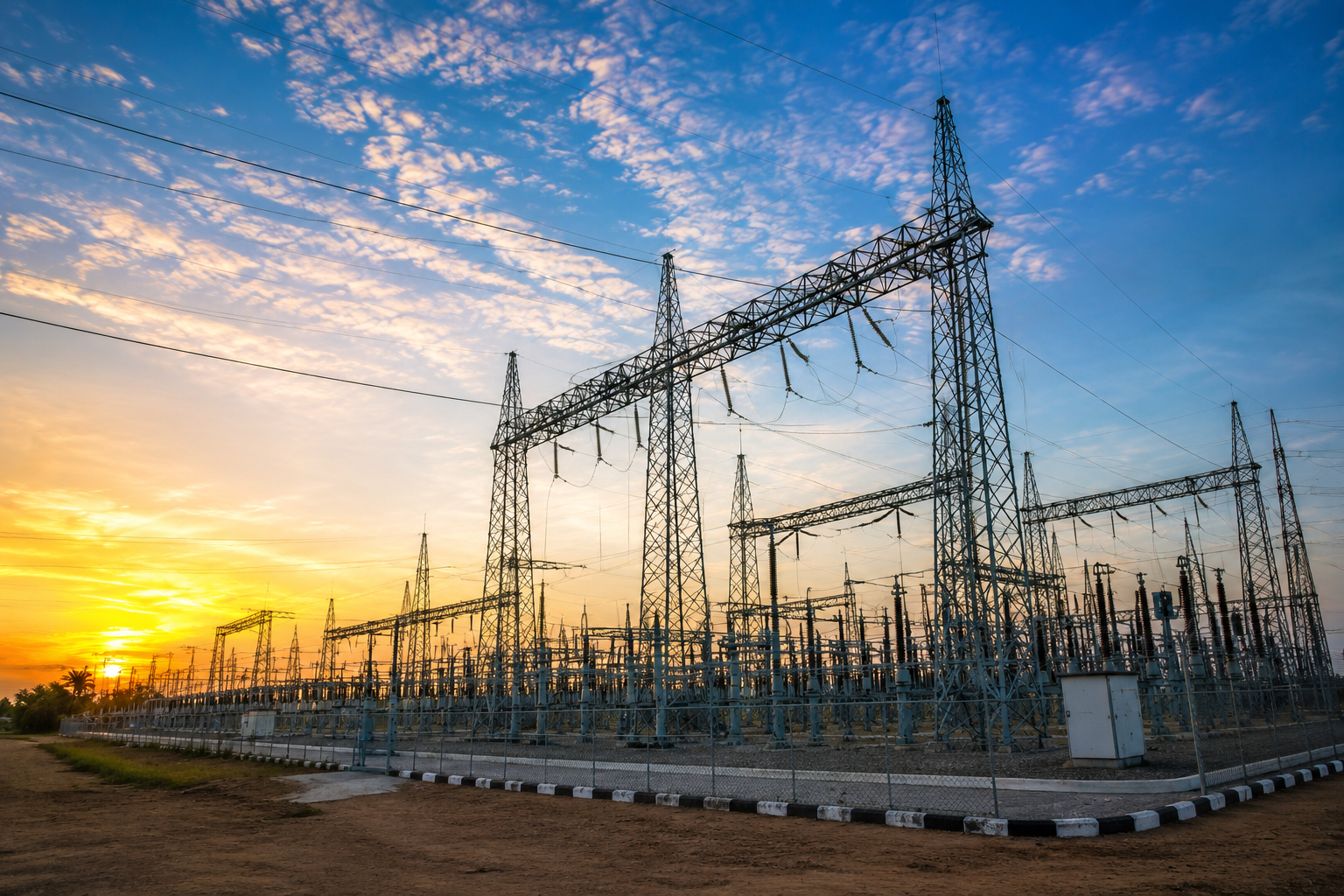
Nigeria Ranks Third as World Bank Electrification Programme Connects 50 Million Africans
Nigeria has emerged as one of Africa's leading beneficiaries of the World Bank-backed Mission 300 initiative, ranking third on the continent after connecting more than 4.5 million people to electricity between July 2023 and April 2026.
According to the latest Mission 300 Progress Report, more than 50 million Africans have gained access to electricity through 85 World Bank-supported projects implemented across 40 countries during the review period.
The report identifies Tanzania as the top-performing country, with approximately 7.5 million people gaining electricity access. Ethiopia followed in second place with about 4.67 million new connections, while Nigeria secured third position with roughly 4.51 million beneficiaries.
Mission 300 is a joint initiative of the World Bank Group and development partners aimed at expanding electricity access to 300 million Africans by 2030 through grid expansion, mini-grids and renewable off-grid energy solutions.
World Bank Group President Ajay Banga described the milestone as evidence that stronger partnerships, increased investment and policy reforms are accelerating access to electricity across the continent.
He noted that electricity goes beyond powering homes, saying it creates opportunities for economic growth, healthcare, education, job creation and improved living standards.
Nigeria's Performance
The report shows that Nigeria's progress was largely driven by renewable energy and off-grid electrification programmes.
The Distributed Access through Renewable Energy Scale-up Project accounted for approximately 3.6 million new electricity connections, representing nearly 80 per cent of the country's total beneficiaries under the initiative.
Additional gains came from the Nigeria Electrification Project, which connected about 619,000 people, while the Distribution Sector Recovery Programme provided electricity access to another 292,000 beneficiaries.
With about 4.5 million new connections, Nigeria accounted for almost one out of every eleven people connected to electricity through the Mission 300 programme across Africa.
Other Top Performers
Beyond the three leading countries, Côte d'Ivoire ranked fourth with about 2.9 million new connections.
Mozambique recorded approximately 2.67 million beneficiaries, closely followed by Madagascar with 2.65 million and Uganda with 2.5 million.
Rwanda connected nearly 2.4 million people, Kenya recorded about two million new connections, while Malawi reached approximately 1.9 million beneficiaries.
Chad also surpassed one million electricity connections during the review period.
Countries Yet to Record Progress
While many countries made significant advances, the report revealed that eight African nations have yet to register a single new electricity connection under the Mission 300 programme.
The countries include Angola, Cabo Verde, the Republic of Congo, Guinea-Bissau, Mauritania, Senegal, South Sudan and Sudan.
According to the report, projects in those countries remain at preparatory stages, have not commenced implementation or are yet to deliver measurable electricity access outcomes.
Closing Africa's Electricity Gap
Despite the progress recorded so far, the World Bank estimates that nearly 600 million people across Africa still lack access to electricity, making the continent home to the world's largest electricity deficit.
The Mission 300 initiative seeks to address this challenge by expanding national electricity grids, supporting renewable energy projects and increasing investment in off-grid power solutions.
The report concludes that while more than 50 million new electricity connections represent a significant achievement, continued collaboration between governments, development partners and private investors will be essential to reaching the target of providing electricity to 300 million Africans by 2030.


💬 Comments 0
Leave a Comment
No comments yet.
Be the first person to comment on this article.