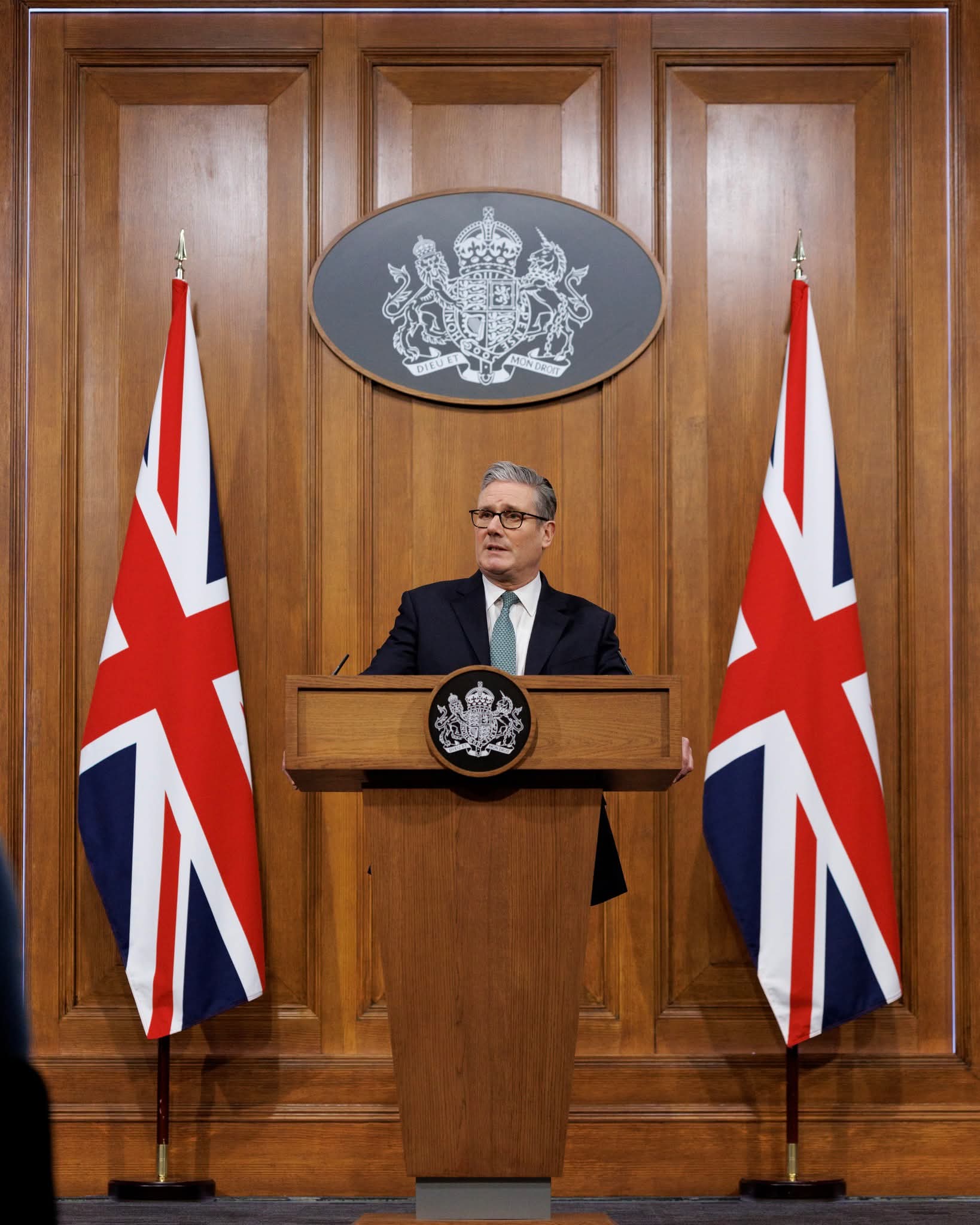
United Kingdom Prime Minister and Labour Party leader, Keir Starmer, has announced his resignation as leader of the governing Labour Party, setting in motion a leadership transition that will ultimately bring his tenure as Prime Minister to an end.
Starmer made the announcement during a farewell address on Monday, saying he accepted the verdict of his parliamentary colleagues regarding the future direction of the party and would step aside after overseeing the transition process.
The outgoing Labour leader said serving as Prime Minister had been one of the greatest honours of his life and expressed gratitude to party members, government officials, and the British public for their support during his time in office.
Reflecting on his administration, Starmer highlighted several key achievements, including measures aimed at reducing the use of asylum hotels, initiatives designed to protect young people from the harmful effects of social media, and policies he said helped lift hundreds of thousands of children out of poverty.
He also pointed to efforts to strengthen Britain's position on the global stage through renewed cooperation with European allies, the pursuit of trade agreements, and continued support for Ukraine amid ongoing geopolitical challenges.
According to Starmer, he has formally informed King Charles III of his decision and requested that the Labour Party’s National Executive Committee begin the process of electing a new leader.
He disclosed that nominations for the leadership contest would open on July 9 and conclude before Parliament enters its summer recess, ensuring that a new leader is in place before lawmakers return in September.
Starmer said he would continue serving as Prime Minister until the leadership election is completed, stressing the importance of maintaining stability and ensuring a smooth transfer of power.
“I will do everything within my power to ensure an orderly transition and to leave the party and the country in the strongest possible position,” he said.
The Prime Minister expressed confidence that his successor would inherit a nation that is stronger and more prepared for future challenges than when he first entered office.
He also voiced optimism about Labour’s future electoral prospects, saying the party remained well-positioned to seek another term in government under new leadership.
During the emotional address, Starmer thanked colleagues across government and the civil service for their dedication and professionalism throughout his administration.
He reserved special appreciation for his family, particularly his wife, whom he described as a constant source of strength during both successful and difficult moments of public life.
“My wife has been my rock throughout this journey, and I will always be grateful for her support, patience and encouragement,” he said.
Looking ahead, Starmer said he was eager to spend more time with his family and focus on life beyond frontline politics.
He noted that after years of public service, he looked forward to being more present as a husband and father.
His departure marks another significant chapter in British politics, making him the sixth UK Prime Minister to leave office within a decade.
The Labour Party is now expected to begin a closely watched leadership contest that will determine who succeeds Starmer and leads both the party and the government into the next phase of British politics.