
The Pharmaceutical Society of Nigeria has directed pharmacies nationwide to implement enhanced safety and surveillance measures following renewed Ebola outbreaks reported in parts of East and Central Africa.
Although Nigeria has not recorded any confirmed Ebola infection, the society warned that pharmacists must remain highly vigilant because community pharmacies are often the first point of contact for individuals seeking medical attention before visiting hospitals.
In a public health advisory issued over the weekend, the PSN urged pharmacists to maintain heightened awareness and reinforce monitoring procedures across all pharmacy facilities in the country.
The organisation noted that common early symptoms of Ebola include sudden fever, fatigue, muscle pain, headache, and sore throat. It added that severe infections may later progress to vomiting, diarrhoea, skin rashes, and bleeding complications.
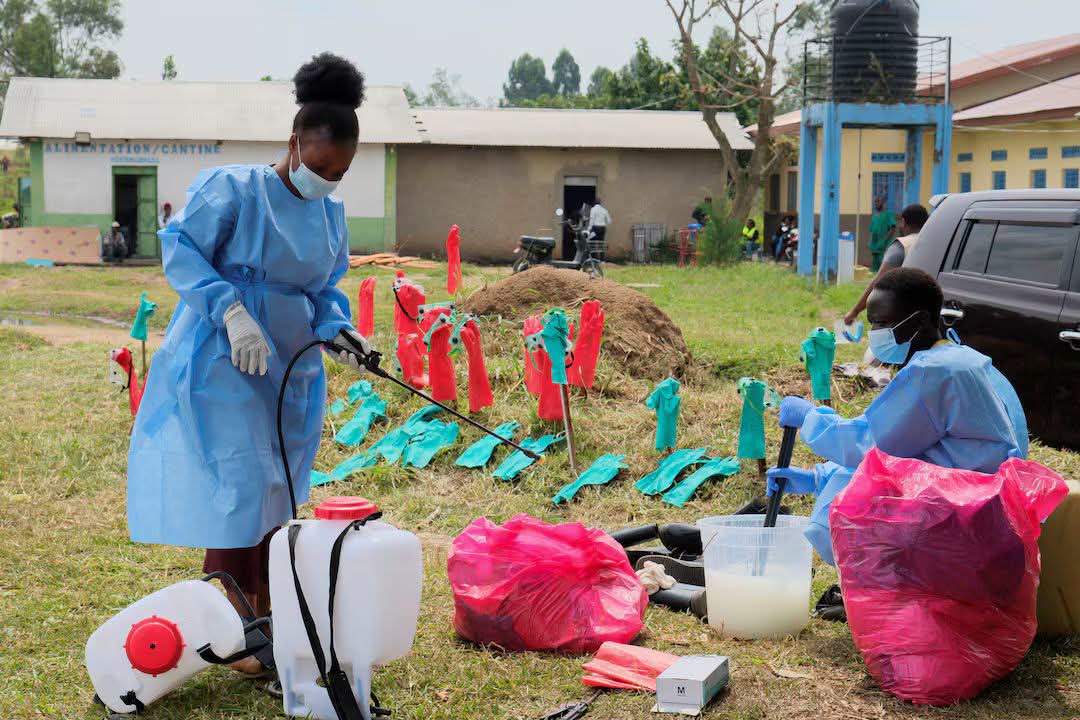
As part of preventive measures aimed at reducing possible transmission, the PSN instructed pharmacies to immediately restore compulsory handwashing and sanitiser stations at facility entrances.
Pharmacy personnel were also advised to wear gloves and face masks when attending to visibly unwell individuals.
In addition, the society recommended regular disinfection of frequently touched surfaces such as counters, door handles, and payment terminals using bleach solutions or alcohol-based disinfectants.
The PSN further cautioned pharmacists against routinely treating unexplained fever cases with malaria medications or antibiotics without proper assessment.
According to the advisory, healthcare workers should avoid continuing empirical treatment where patients present with persistent fever that does not respond to standard therapy or is accompanied by severe gastrointestinal symptoms.
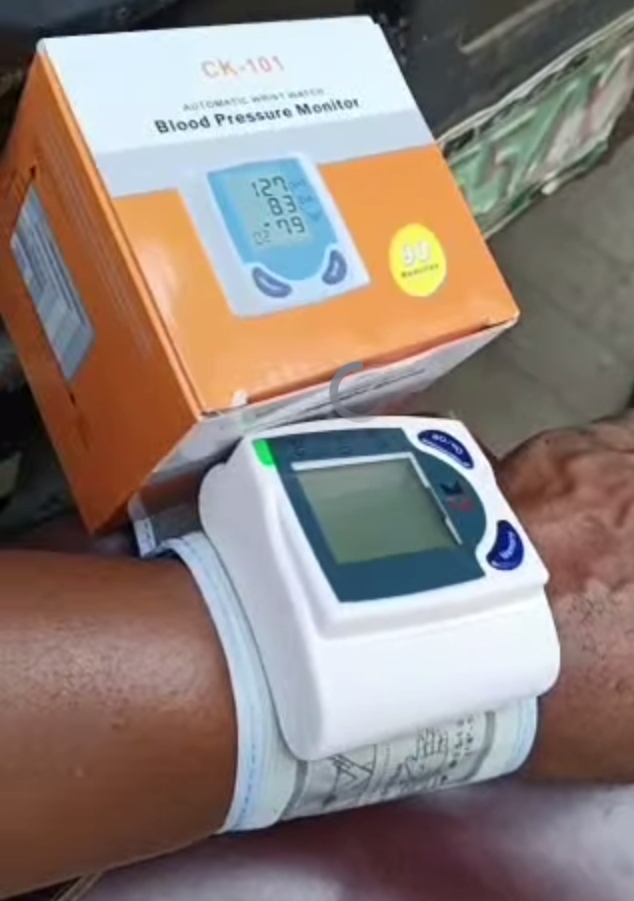
The organisation also directed pharmacies to temporarily suspend non-essential blood-prick procedures, including malaria rapid diagnostic tests and random blood sugar checks, for patients showing signs of unexplained fever.
Under the emergency response guidelines, any suspected Ebola case should be isolated immediately and reported to the Nigeria Centre for Disease Control and Prevention through official emergency reporting channels.
The PSN also advised against allowing suspected patients to use public transportation, stressing that affected individuals should remain isolated and monitored until trained emergency responders arrive.
Furthermore, the society warned Nigerians against relying on unverified herbal remedies or false claims about Ebola treatments.
It emphasised that early medical intervention and supportive care at approved public health facilities remain the most effective approach for improving survival outcomes.
Photo Credit: Chris Ikpemi

💬 Comments 0
Leave a Comment
No comments yet.
Be the first person to comment on this article.