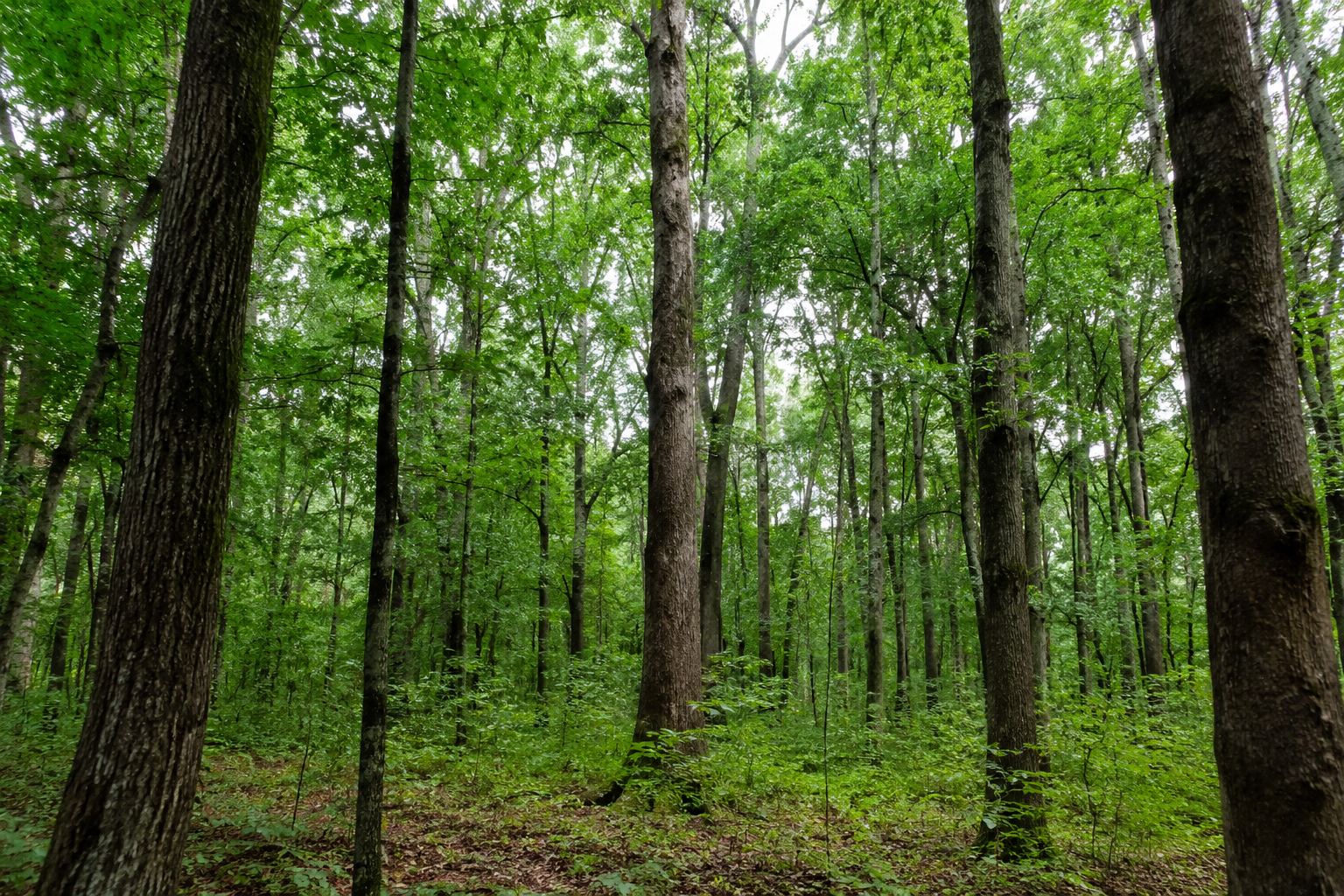
The forests that cover the hills surrounding Jerusalem and stretch across the picturesque landscapes of Galilee are often regarded as remarkable examples of successful environmental restoration.
Their lush green appearance, towering pine trees and expansive canopy have become symbols of decades of conservation efforts aimed at transforming once-barren land into thriving forests.
For many visitors and residents alike, these woodlands represent a positive environmental achievement. The sight of dense trees providing shade, pine needles carpeting the forest floor and birds singing among the branches creates the impression of a healthy ecosystem that has been carefully restored after years of environmental degradation.
Such scenes have reinforced the long-held belief that planting more trees is always beneficial for nature.
Over the years, large-scale afforestation programmes have been promoted as an effective way to combat desertification, reduce soil erosion, improve air quality and provide habitats for wildlife.
In many parts of the world, planting trees has also been viewed as a practical strategy for capturing carbon dioxide and helping to slow the effects of climate change. As a result, forests have become synonymous with environmental recovery and sustainability.
However, environmental scientists and conservation experts say the story is more complex than it appears.
A closer look beneath the thick canopy of many human-planted pine forests reveals ecosystems that differ significantly from the natural habitats they replaced.
Instead of supporting a wide variety of native plants, flowers and shrubs, some of these plantations consist largely of a single tree species. While visually impressive, such forests may provide fewer resources for local wildlife and reduce the diversity of plant and animal life that once flourished in the area.
Before these plantations were established, many of the hills and rocky landscapes supported unique native vegetation that had evolved over centuries to survive the local climate. These natural ecosystems were home to numerous species of insects, birds, reptiles and small mammals that depended on indigenous plants for food and shelter.
Replacing them with dense pine forests has, in some cases, altered those ecological relationships.
Experts explain that monoculture forests—those dominated by one type of tree—can change soil conditions, affect water availability and limit the growth of native vegetation beneath their dense canopies.
The thick layer of fallen pine needles may also prevent certain plant species from germinating, gradually reducing the overall biodiversity of the landscape.
In addition, the uniform structure of these plantations may make them more vulnerable to pests, diseases and wildfires compared with diverse natural forests.
A single outbreak affecting one tree species can spread rapidly through a plantation, while a more varied ecosystem often has greater resilience to environmental threats.
This does not mean that tree planting is harmful or should be discouraged. On the contrary, reforestation remains an important tool in the fight against climate change, land degradation and habitat loss.
However, many conservationists now argue that the focus should shift from simply planting large numbers of trees to restoring native ecosystems that reflect the natural biodiversity of each region.
They emphasise that successful environmental restoration involves more than increasing tree cover. It requires careful planning, the use of indigenous plant species and the protection of existing habitats to ensure that wildlife can continue to thrive.
The experience of the forests around Jerusalem and Galilee serves as a reminder that conservation is not measured solely by the number of trees planted.
True ecological restoration seeks to preserve the complex relationships between plants, animals and their environment, creating landscapes that are not only greener but also healthier, more resilient and biologically diverse for future generations.



💬 Comments 0
Leave a Comment
No comments yet.
Be the first person to comment on this article.