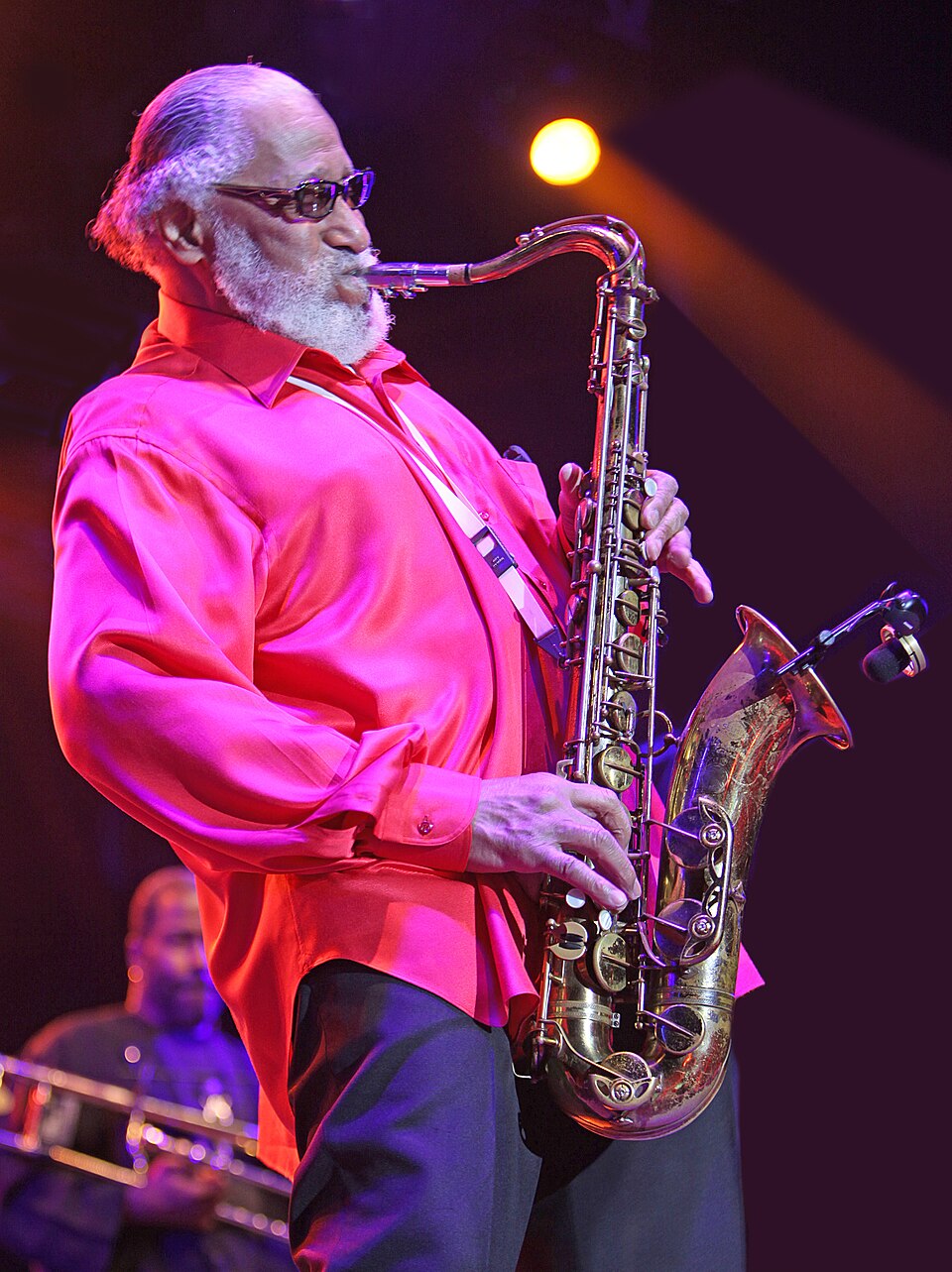
Legendary jazz saxophonist Sonny Rollins, widely celebrated as the “Saxophone Colossus,” has died at the age of 95.
According to a statement issued by his publicist, Rollins passed away at his home in Woodstock, New York, on Monday afternoon.
He was described as one of the most respected and influential figures in American music, whose impact on jazz spanned generations.
Rollins built an extraordinary career that began in the late 1940s and continued for several decades, earning global recognition for his mastery of improvisation and innovative saxophone performances.
Throughout his career, he collaborated with some of jazz music’s greatest names, including Miles Davis, Charlie Parker, and John Coltrane.
The acclaimed musician released more than 60 albums as a band leader and became known for shaping the sound of modern jazz through his distinctive style and creativity.
Rollins won two Grammy Awards before retiring from music in 2014 following health challenges related to a respiratory illness.
No official cause of death was disclosed.
A reflective quote from Rollins, originally shared in 2009, accompanied the announcement of his passing.
In the statement, he expressed his belief in life beyond death and his view that creative expression continues beyond physical existence.
In a previous interview with Jazz Times, Rollins recalled how his love for music began after receiving his first saxophone from his mother at the age of seven.
He described the experience as transformative, saying he immediately became deeply connected to the instrument.
Rollins was mentored by influential pianist Thelonious Monk and later performed alongside prominent artists such as Art Blakey and Bud Powell.
One of the defining moments of his career came in 1956 with the release of his landmark album Saxophone Colossus, which remains one of the most celebrated recordings in jazz history.
During the early 1960s, Rollins famously spent hours practising alone on New York’s Williamsburg Bridge, an experience that later inspired his 1962 album The Bridge.
Over the years, admirers of the musician even suggested renaming the bridge in his honour.
Rollins was particularly admired for his extended improvisational solos and spontaneous creativity during live performances.
In a past interview with PBS, he explained that much of his improvisation came naturally in the moment, often surprising even himself.
His death marks the end of an era for jazz music, with tributes expected from musicians and fans around the world.


💬 Comments 0
Leave a Comment
No comments yet.
Be the first person to comment on this article.